



Understanding Tree Removal Costs: A Comprehensive Guide to Budgeting for Professional Services
What Influences the Price of Removing a Tree
When homeowners in Harrodsburg search for tree removal pricing, they quickly discover that no two estimates match. The variation stems from several measurable factors that directly impact the labor, equipment, and safety protocols required for each job.
Tree size stands as the primary cost driver. A small ornamental tree under 15 feet typically requires basic equipment and minimal labor hours. Medium trees ranging from 30 to 60 feet demand bucket trucks and additional crew members. Large mature trees exceeding 80 feet necessitate specialized rigging systems, certified arborists, and extended work hours. In central Kentucky, where mature oaks and maples dominate older properties, height frequently determines whether a removal requires a half-day or multiple-day operation.
Location complicates pricing considerably. A tree standing in an open field presents minimal risk and straightforward access. The same species positioned between a home and utility lines requires precision cuts, protective measures, and potentially coordinated utility company involvement. Properties with steep slopes, limited access roads, or proximity to structures add complexity that translates directly to labor time and equipment needs.
Tree condition affects both safety requirements and disposal methods. Healthy trees with solid trunks allow for predictable cutting sequences. Diseased, decayed, or storm-damaged trees behave unpredictably, requiring additional safety measures and sometimes piece-by-piece dismantling. Dead trees, while lighter, become brittle and hazardous, demanding extra caution during removal.
Species matters more than many property owners realize. Hardwoods like oak and hickory, common throughout Mercer County, require sharper equipment and longer cutting times than softer pines. Trees with extensive root systems or dense branching patterns increase both removal and cleanup duration.
Typical Price Ranges for Different Removal Projects
Understanding standard pricing structures helps property owners establish realistic budgets and identify outlier estimates that warrant additional scrutiny.
Small tree and shrub removal generally represents the most affordable category. Trees under 15 feet with trunk diameters below six inches often require only basic cutting tools and manual hauling. These projects typically complete within a few hours and involve minimal equipment mobilization. Ornamental varieties, fruit trees, and young volunteers fall into this category.
Medium-sized removals covering trees between 30 and 60 feet constitute the majority of residential projects in Harrodsburg. These jobs require bucket trucks or climbing equipment, multiple crew members, and specialized cutting tools. A mature dogwood, mid-sized maple, or established pine typically falls into this range. Project duration extends from several hours to a full day depending on location and complexity.
Large tree projects involve specimens exceeding 60 feet or those with trunk diameters surpassing 24 inches. These removals demand crane assistance, extensive rigging, certified climbers, and comprehensive safety planning. Harrodsburg’s historic neighborhoods contain numerous mature oaks, sycamores, and tulip poplars that require this level of service. Multi-day projects become necessary when trees exceed 80 feet or stand in particularly challenging locations.
Emergency removals after storm damage carry premium pricing due to urgency, hazard levels, and irregular scheduling. When severe weather sweeps through central Kentucky, partially fallen trees leaning against structures or hanging limbs over power lines require immediate attention regardless of time or weather conditions.
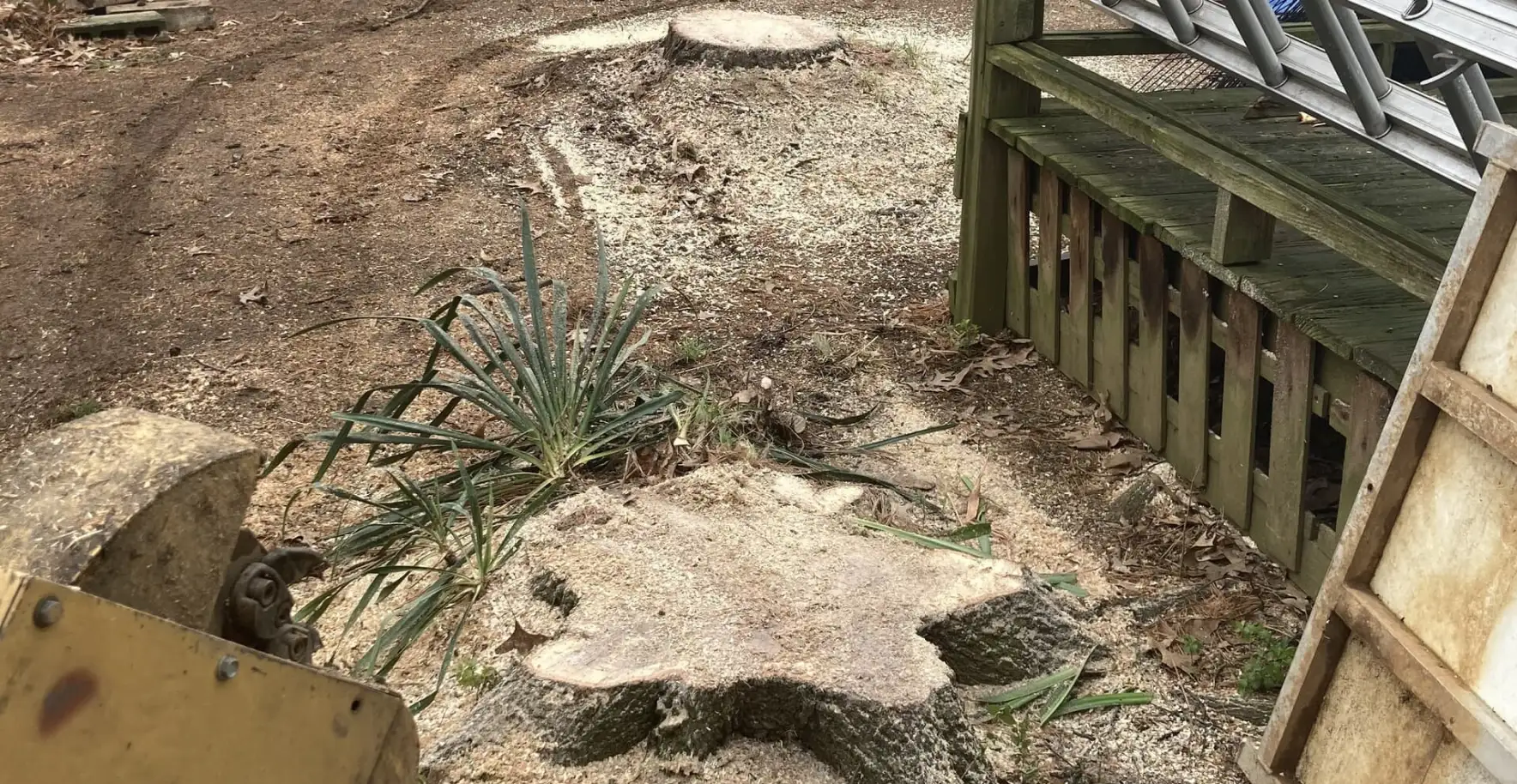
Additional services compound base pricing. Stump grinding, limb chipping, log hauling, and complete debris removal each add to the total investment. Property owners choosing to handle cleanup themselves or retain firewood can reduce overall expenses.
Hidden Factors That Affect Your Final Bill
Beyond obvious size and location variables, several less apparent factors influence final project costs and sometimes catch property owners unprepared.
Permit requirements vary by municipality and property type. While many residential removals proceed without formal permits, trees exceeding certain diameters, heritage designations, or proximity to wetlands may trigger regulatory requirements. Permit fees, application time, and potential inspection delays add both cost and schedule complexity.
Underground utilities present invisible complications. Before any digging for stump removal or root extraction, Kentucky law requires utility location services. While the locating service itself carries no charge, working around discovered lines demands modified techniques and extended labor time. Properties with extensive underground infrastructure sometimes require hand-digging rather than mechanical grinding.
Access limitations create unexpected expenses. Standard equipment assumes vehicle access within reasonable distance of the work site. Properties requiring extensive walking distance, narrow gates preventing equipment entry, or terrain unsuitable for heavy machinery force manual labor substitution or specialized compact equipment rental. A tree only 50 feet from the nearest driveway might cost significantly more if that distance crosses steep slopes or delicate landscaping.
Time of year affects both scheduling and pricing in central Kentucky. Spring and fall represent peak demand periods when weather conditions favor outdoor work and property owners prepare for seasonal transitions. Winter removals, while less popular, sometimes offer scheduling advantages and modest price reductions during slower periods. Summer work in Kentucky’s heat and humidity may extend break requirements and slow productivity.
Wood disposal regulations and market conditions fluctuate. When firewood demand runs high, some services reduce fees for quality hardwood logs. When local landfills face capacity constraints or adjust tipping fees, disposal costs increase accordingly. Brush and limb material suitable for municipal composting programs sometimes costs less to dispose of than mixed debris requiring standard landfill processing.
How to Budget Effectively for Your Project
Strategic planning prevents budget surprises and ensures property owners receive appropriate value for their investment in professional services.
Obtain multiple written estimates from licensed, insured providers. Verbal quotes create misunderstanding and provide no recourse if disputes arise. Detailed written estimates should itemize specific services, identify included and excluded work, and specify debris handling procedures. Comparing three estimates reveals market rates and identifies services one provider includes while another bills separately.
Request on-site evaluations rather than phone estimates. Photographs and descriptions rarely capture the complexities that experienced professionals identify during property visits. Site assessments allow providers to identify access challenges, proximity hazards, and equipment requirements that phone descriptions miss. Estimates based on incomplete information often require upward revision once work begins.
Clarify what the estimate includes. Some quotes cover cutting and felling only, leaving all debris on site for property owner disposal. Others include limb chipping, trunk removal, and complete site cleanup. Stump grinding frequently appears as an optional add-on rather than standard inclusion. Understanding exactly what each estimate covers prevents comparing incompatible proposals.
Verify licensing, insurance, and safety compliance. The lowest estimate often comes from uninsured operators cutting costs by eliminating liability coverage and workers’ compensation insurance. When accidents occur on your property involving uninsured contractors, property owner liability can exceed any savings realized through discount pricing. Request proof of current insurance and verify coverage directly with insurance carriers.
Consider project timing flexibility. If your timeline allows seasonal flexibility, scheduling during slower winter months sometimes yields modest discounts. Conversely, urgent removals or peak-season scheduling may carry premium pricing. Property owners with flexibility can sometimes reduce costs by accommodating contractor scheduling preferences.
Plan for contingencies by budgeting 10-15 percent above the estimate. Unexpected conditions like hidden decay, underground obstacles, or weather delays occasionally require scope adjustments. Financial cushion prevents mid-project cash flow problems and allows addressing discovered issues promptly.
Working with Qualified Professionals in Harrodsburg
Selecting the right service provider matters as much as budgeting appropriately. The cheapest option rarely delivers the best value, while the most expensive doesn’t guarantee superior results.
Throughout central Kentucky, property owners face decisions about stump removal timing and techniques. Some prefer immediate grinding to reclaim yard space, while others delay stump work to spread expenses across multiple budget periods. Qualified professionals explain options without pressuring immediate decisions on ancillary services.
Experience with local conditions provides practical advantages. Providers familiar with Harrodsburg’s soil composition, common tree species, and typical property layouts work more efficiently than those learning on your property. Local operators understand seasonal weather patterns, municipal regulations, and disposal facility locations that affect project execution and pricing.
Communication quality during the estimate process predicts communication during project execution. Providers who return calls promptly, answer questions thoroughly, and explain processes clearly typically maintain that professionalism throughout the work relationship. Those difficult to reach or vague about details before receiving payment rarely improve afterward.
For property owners managing multiple trees, phased approaches distribute financial burden across several seasons while prioritizing hazardous or problematic specimens first. A qualified provider assesses which trees present immediate risks versus those that can wait, allowing strategic budget allocation over time.
Handling brush removal and debris disposal efficiently separates professional operations from amateur services. Proper equipment, disposal site relationships, and systematic cleanup processes minimize property disruption and complete projects faster than improvised approaches.
When storm damage creates urgent situations requiring emergency tree removal, established relationships with qualified local providers prove invaluable. Companies familiar with your property respond faster and work more efficiently than those conducting initial site assessments during crisis conditions.
The professionals at Jamie’s Stump Grinding bring practical experience serving Harrodsburg and surrounding Mercer County communities. Their familiarity with local tree species, soil conditions, and property layouts informs accurate estimates and efficient project execution. Licensed and insured operations protect property owners while delivering results that preserve property value and safety. Their approach to small tree and shrub removal through large specimen projects maintains consistent quality regardless of scale.
Understanding pricing factors, obtaining detailed estimates, and working with qualified local professionals transforms tree removal from a stressful emergency into a manageable property maintenance investment. Informed property owners make better decisions, avoid common pitfalls, and achieve results that enhance safety and property value for years to come.